Exploring the Rich Flavors of Traditional Chinese Food
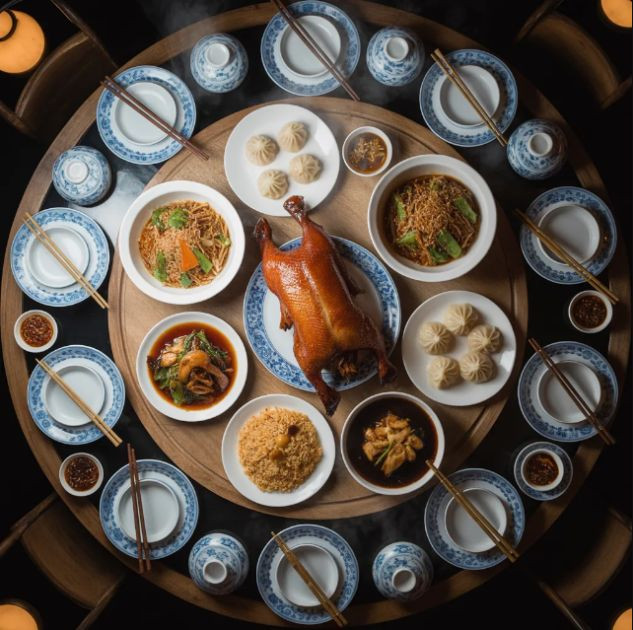
China has one of the world’s most famous cuisines. Traditional Chinese food is full of taste, colors, and smells. Every dish tells a story. People from different regions use different ingredients, and each style is unique. From the north to the south, food shows culture, history, and family traditions.
The Beauty of Chinese Cuisine
Chinese food is not just about eating. It is about feeling. The meals are made with care. Fresh vegetables, tender meats, and special spices come together to create magic. Rice and noodles are common staples. Meals often include many small dishes. Sharing food is a key part of Chinese culture.
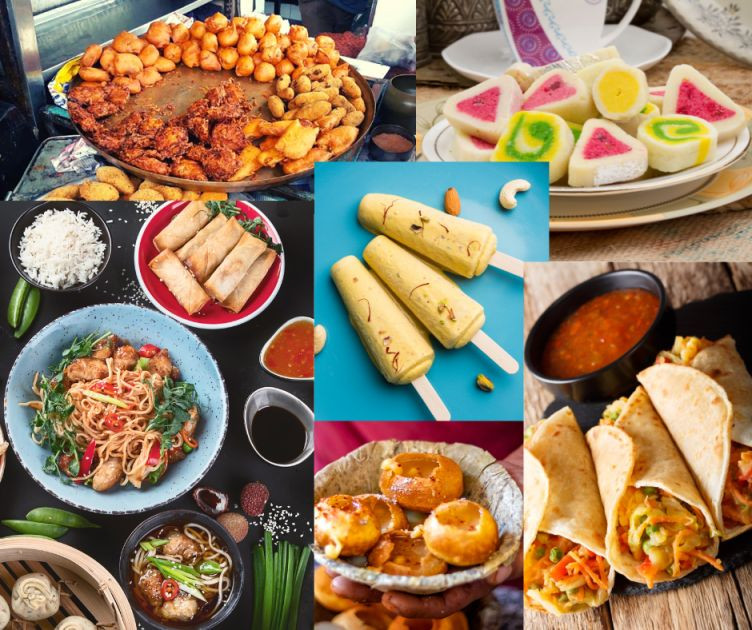
Many dishes are simple but delicious. Stir-fried vegetables with soy sauce are quick and tasty. Dumplings are small pockets of joy. They can be boiled, fried, or steamed. Each dumpling has a filling that surprises your taste buds. The balance of sweet, salty, sour, and spicy flavors is important in traditional Chinese food.
Regional Flavors in China
China is large, and each region has its own style. In the north, people eat more wheat. Noodles, dumplings, and pancakes are common. Beijing’s Peking duck is famous worldwide. The skin is crispy, and the meat is tender.
Southern China prefers rice. Stir-fries, seafood, and light sauces are popular. Cantonese food focuses on freshness. Dim sum is a well-loved tradition, with small bite-sized dishes served with tea.
In Sichuan, spices dominate. The heat from chili peppers and numbing Sichuan peppercorns is unforgettable. People enjoy bold flavors that awaken the senses. Hunan food is similar, with strong tastes and lots of vegetables.
Ingredients That Make It Special
Traditional Chinese food uses simple ingredients but in clever ways. Ginger, garlic, and green onions are always present. Soy sauce and sesame oil add depth. Tofu, mushrooms, and bamboo shoots are common in vegetarian dishes.
Freshness is key. Vegetables are often lightly cooked to keep their crunch. Meat is sliced thin for fast cooking. Rice and noodles act as a base for flavors. Herbs and spices add the final touch, making each dish unique.
Cooking Techniques
Chinese chefs have many techniques to cook food. Stir-frying is quick and locks in flavor. Steaming keeps dishes healthy and soft. Boiling and braising bring out richness. Deep-frying makes foods crispy and golden. Each method changes the texture and taste.
Presentation is also important. Dishes are colorful. Red peppers, green vegetables, and golden meats make meals look appealing. Eating with your eyes is part of the experience.
The Cultural Importance of Food
In China, food is more than hunger. It connects families. Festivals have special dishes. Mooncakes are eaten during the Mid-Autumn Festival. Dumplings symbolize wealth during the Lunar New Year. Tea accompanies almost every meal.
Respecting ingredients is a tradition. Waste is avoided, and leftovers are shared. Cooking is considered an art. Recipes are passed from one generation to another. Each family has its special dishes.
Tips for Enjoying Traditional Chinese Food
- Try different dishes, not just your favorite.
- Eat slowly to enjoy all flavors.
- Pair dishes with rice or noodles for balance.
- Ask for small portions if you are new.
- Don’t forget desserts like sweet buns or red bean cakes.
Conclusion
Traditional Chinese food is a journey. Every bite brings new tastes and stories. From the simple stir-fry to the elaborate Peking duck, there is something for everyone. It is colorful, healthy, and full of life. Exploring Chinese food teaches us about culture, history, and family. It reminds us that eating is not just about food—it is about joy, sharing, and tradition.