Orange or Malta, which is more in demand in the market?
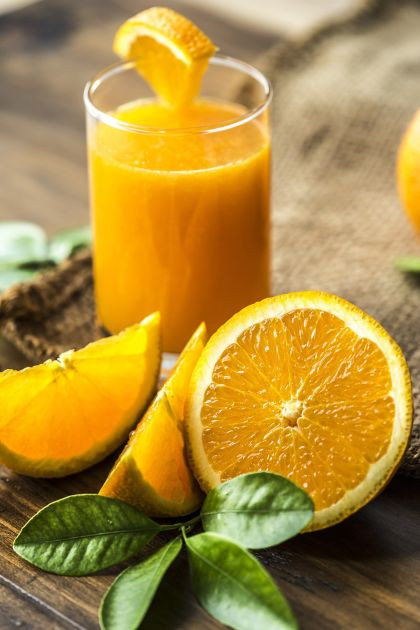
🍊 1. Global Demand Overview
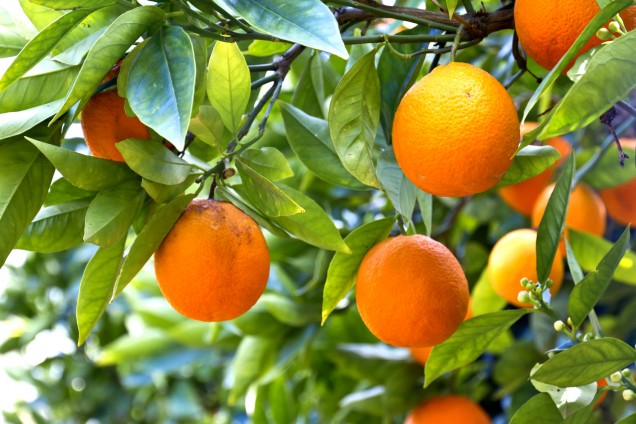
- Oranges (including variants like Mandarin and Malta sweet orange) are among the most widely consumed citrus fruits in the world, accounting for roughly 13% of total global fruit production and forming the backbone of a large juice industry.
- The orange juice market alone is significant and growing, with strong demand driven by health awareness (vitamin C, antioxidants) and urban consumption of natural/spread beverages.
- While some markets have seen price volatility and demand shifts (e.g., orange juice futures dropping due to oversupply and changing tastes in the U.S.), orange juice remains a major segment of global beverage consumption.
✅ Conclusion: Globally, oranges and orange-derived products (especially orange juice) have high, established demand supported by nutrition trends, diverse uses (fresh fruit, juice, by-products), and large industrial markets.
🍺 2. Malta Beverage Market
/i.s3.glbimg.com/v1/AUTH_afe5c125c3bb42f0b5ae633b58923923/internal_photos/bs/2022/X/E/DMdV5JSyyWXmfypH2jBw/2019-11-02-lj-2.jpg)
• Malta Non-Alcoholic Beverage
- The Malta drink market — referring to non-alcoholic malt beverages — is smaller in absolute size compared to fruit juices like orange juice, but growing steadily, particularly due to trends toward functional and low-alcohol or non-alcoholic beverages.
- Market reports show growth in Malta drinks with consumers seeking novel flavors, health-oriented formulations, and interest in premium or functional malt products.
• Malta Fruit (Sweet Orange Variety)
- In agricultural contexts (e.g., Bangladesh), “Malta” is also used to refer to a type of sweet orange, which has similar demand trends as other citrus fruits and contributes to the overall citrus market.
⚠️ Important: In many global market analyses, when people talk about “Malta demand,” they mean either:
- Non-alcoholic malt drinks, or
- A type of sweet citrus fruit (Malta sweet orange) — not the beverage — which is part of the broader orange/citrus category.
📈 3. Market Growth & Trends Comparison
AspectOranges / Orange JuiceMalta (Drink / Fruit)Global Production VolumeExtremely high; core to fruit juice industry (e.g., ~85–115 million tons citrus) Malta fruit included in citrus totals; non-alcoholic malt drinks smaller but growing Market SizeVery large due to juice demand (billions in juice market revenue) Smaller niche global market (~$5–12+ billion for malt drinks) Growth DriversHealth trends, natural beverage demand, functional products Functional beverages, regional popularity, health-oriented formulations Regional StrengthStrong worldwide (Americas, Europe, Asia Pacific) Popular in specific markets (Latin America, Caribbean, some Asia)
🧠 4. Which Is More in Demand?

📌 Overall Market Demand
➡️ Oranges and orange juice products clearly have higher and broader global demand, supported by:
- Large global production and consumption,
- A well-established supply chain and beverage industry,
- Strong association with health benefits,
- Year-round presence in food and beverage markets around the world.
📌 Malta Beverages

➡️ Malta drinks occupy a smaller niche market but show solid growth trends, especially among:
- Consumers looking for unique non-alcoholic options,
- Regions where malt drinks have cultural appeal,
- Functional and specialty drink segments.
🧾 In Bangladesh
- Both orange/Malta citrus fruits are imported and in demand, with rising domestic consumption pushing growth goals for local production.
- But in juice and beverage market value, orange juice products usually command broader distribution and consumption than specific “Malta drink” products.

📊 Final Conclusion (Market Demand)
➡️ Oranges (especially orange juice) are more in demand overall in the global fruit and beverage market than Malta drinks or niche Malta fruit products:
- Global scale: Orange products dominate fruit juice consumption.
- Market growth: Orange juice has wide mainstream growth; Malta drinks grow in select segments.
- Consumer reach: Orange beverages are more universal and widespread.