Phishing Exposed: The Sneaky Cyber Threat Stealing Your Secrets
Learn What Phishing Is, How It Works, and Essential Tips to Stay Safe Online
Phishing is one of the most prevalent cyber threats today, lurking behind innocent-looking emails, messages, and websites. But what exactly is phishing, and why should you care? In this article, we'll break it down step by step, exploring its mechanics, common types, real-world impacts, and practical defenses. By the end, you'll be equipped to spot and avoid these digital traps.
What Is Phishing?
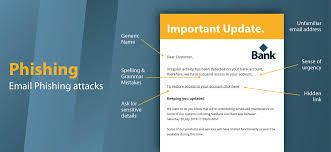
Phishing is a cyber attack where scammers impersonate trustworthy entities to trick individuals into revealing sensitive information, such as passwords, credit card details, or personal data. The term "phishing" draws from "fishing," where bait lures victims into a hook. Unlike traditional fishing, however, phishing uses deception via digital channels like email, social media, or text messages.
The goal? To harvest data for identity theft, financial fraud, or further malicious activities. Phishing isn't about brute-force hacking; it's psychological manipulation, exploiting trust and urgency. According to the FBI's Internet Crime Report, phishing caused over $12 billion in losses in the U.S. alone in 2023, making it a top concern for individuals and businesses alike.
How Does Phishing Work?
Phishing attacks follow a simple yet effective blueprint:
1. **Baiting the Hook**: Attackers send a message posing as a legitimate source, like a bank, government agency, or colleague. The message often creates urgency—e.g., "Your account is suspended; click here to verify."
2. **Luring the Victim**: The message includes a link to a fake website or attachment that mimics the real one. Once clicked, victims are prompted to enter credentials or download malware.
3. **Reeling in the Catch**: The stolen data is used immediately for fraud or sold on the dark web. Advanced phishing might involve multi-stage attacks, like redirecting to a secondary site for more info.
What makes phishing dangerous is its adaptability. Scammers use social engineering—studying victims' online profiles to personalize attacks, increasing success rates.
Types of Phishing Attacks
Phishing evolves constantly, with new variants emerging. Here are the most common:
- **Email Phishing**: The classic form, where fraudulent emails trick users into clicking links or sharing info. Example: A fake Amazon alert about a package issue.
- **Spear Phishing**: Targeted at specific individuals, using personal details for credibility. Often used in corporate espionage.
- **Whaling**: A high-stakes version of spear phishing aimed at executives or "big fish" for large payouts.
- **Vishing (Voice Phishing)**: Over phone calls, scammers impersonate authorities to extract info verbally.
- **Smishing (SMS Phishing)**: Via text messages, like fake bank alerts urging immediate action.
- **Pharming**: Redirects users from legitimate sites to malicious ones without clicking, often via DNS poisoning.
- **Clone Phishing**: Duplicates a legitimate email, replacing attachments or links with malicious ones.
Each type exploits different channels, but the core tactic remains deception.
Real-World Examples and Impacts
Phishing isn't theoretical—it's caused massive real-world damage. In 2016, the DNC email hack involved spear phishing, leaking sensitive political data. More recently, the 2020 Twitter hack saw attackers use phishing to access employee accounts, posting fake tweets from celebrities like Elon Musk, leading to Bitcoin scams worth millions.
On a personal level, phishing can lead to drained bank accounts or identity theft. Businesses suffer too: A 2023 Verizon report noted that 36% of data breaches involved phishing. Victims often face long-term consequences, like credit score damage or legal issues.
How to Protect Yourself from Phishing
Prevention is key. Here are actionable steps:
- **Verify Sources**: Always check sender emails (e.g., hover over links to see the real URL). Use tools like WHOIS to confirm website legitimacy.
- **Enable Security Features**: Use two-factor authentication (2FA) on accounts. Install antivirus software with phishing detection.
- **Educate and Train**: Stay informed about scams. For businesses, conduct regular phishing simulations.
- **Be Skeptical**: If something feels urgent or too good to be true, it probably is. Never share info via unsolicited requests.
- **Report Suspicious Activity**: Forward phishing emails to authorities like the FTC or Anti-Phishing Working Group.
- **Use Safe Tools**: Employ password managers and VPNs for added protection.
By adopting these habits, you reduce your risk significantly—studies show educated users are 90% less likely to fall victim.
Conclusion: Stay Vigilant in the Digital Age
Phishing preys on human nature, but knowledge is your best defense. Understanding what phishing is and how it operates empowers you to navigate the web safely. Remember, scammers evolve, so vigilance must too. If you've been targeted, act fast: Change passwords, monitor accounts, and report incidents. In a world where data is currency, protecting yours starts with awareness. Stay safe out there!