The Candida Cleanse Plan: Foods to Eat, Foods to Avoid
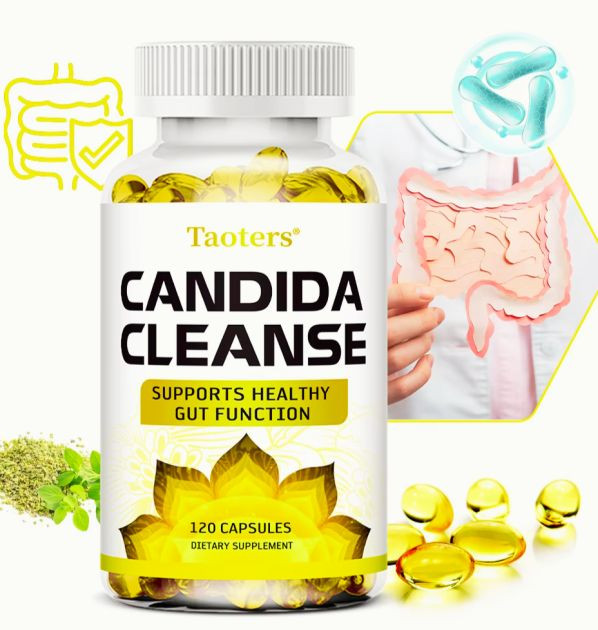
Candida is always around. In small amounts, it belongs there. In your gut, your mouth, even on your skin. The problem starts when it grows out of control. That imbalance can affect digestion, energy, mood, and especially the stomach.
This is where a Candida Cleanse comes in. Not as a fad. Not as a miracle cure. But as a structured reset that removes what feeds yeast and supports what keeps it in check.
Let me explain what actually matters.
What Is Candida and Why the Stomach Suffers
Candida is a type of yeast. Under normal conditions, your body manages it just fine. But antibiotics, high-sugar diets, chronic stress, and poor digestion can tilt the balance.
When that happens, the stomach often takes the first hit.
Bloating that doesn’t make sense.
Gas after simple meals.
Cravings that feel out of control.
Brain fog tied to digestion.
A Candida Cleanse focuses on starving the yeast while strengthening the gut environment so healthy bacteria can reclaim space.
Food is the lever. Use it correctly, and things change fast.
The Core Idea Behind a Candida Cleanse
Candida thrives on sugar and refined carbohydrates. It doesn’t care whether the sugar comes from candy or “healthy” fruit juice. Sugar is sugar.
So the cleanse has two jobs:
- Remove what feeds yeast growth
- Add foods that support digestion, gut lining, and microbial balance
This is not about calorie restriction. It’s about strategic elimination and intentional nourishment.
Foods to Eat on a Candida Cleanse
These foods do the heavy lifting. They stabilize blood sugar, reduce inflammation, and help the stomach heal.
1. Non-Starchy Vegetables
Vegetables should dominate your plate.
Best options include:
- Spinach
- Kale
- Broccoli
- Cauliflower
- Zucchini
- Cabbage
- Asparagus
They’re low in sugar, high in fiber, and support digestion without feeding candida. Fiber also helps sweep waste through the stomach and intestines, which matters more than most people realize.
2. Clean Protein Sources
Protein stabilizes blood sugar and reduces cravings.
Good choices:
- Eggs
- Chicken
- Turkey
- Wild-caught fish
- Grass-fed beef
Protein slows digestion in a good way. That steadiness gives your stomach time to do its job without fermenting food too quickly, which often worsens candida symptoms.
3. Healthy Fats
Candida does not thrive on fat. Your body does.
Include:
- Olive oil
- Coconut oil
- Avocado
- Ghee
Coconut oil is especially useful because it contains compounds that may help reduce yeast overgrowth. Fats also keep meals satisfying, which makes the cleanse sustainable.
4. Low-Sugar Fruits (In Moderation)
Fruit is tricky. Too much can backfire.
Safer options:
- Berries
- Green apples
- Lemon and lime
Keep portions small. Think support, not indulgence. If stomach symptoms flare after fruit, pull it back temporarily.
5. Fermented Foods (Carefully)
This depends on tolerance.
Some people do well with:
- Sauerkraut
- Kimchi
- Unsweetened coconut yogurt
Others feel worse at first. If fermented foods cause bloating or discomfort in the stomach, pause and reintroduce later. Timing matters.
Foods to Avoid on a Candida Cleanse
This is where most people struggle. These foods directly fuel yeast growth or disrupt the gut environment.
1. Sugar in All Forms
This is non-negotiable.
Avoid:
- White sugar
- Brown sugar
- Honey
- Maple syrup
- Agave
- Candy and desserts
Candida feeds on sugar aggressively. Even “natural” sweeteners can keep it alive.
2. Refined Carbohydrates
These break down into sugar fast.
Cut out:
- White bread
- Pasta
- Pastries
- Crackers
- Most packaged snacks
Even small amounts can trigger stomach bloating and cravings.
3. Alcohol
Alcohol is fermented sugar. It hits candida from both sides.
Wine, beer, and spirits all worsen yeast overgrowth and irritate the stomach lining. During a Candida Cleanse, alcohol needs to go.
4. Dairy Products
Dairy can feed yeast and inflame digestion.
Avoid:
- Milk
- Cheese
- Yogurt with added sugar
Some people later tolerate ghee or small amounts of butter, but early on, removing dairy reduces digestive stress.
5. Processed and Mold-Prone Foods
Candida thrives in environments already compromised.
Avoid:
- Processed meats
- Packaged sauces
- Peanuts
- Corn
- Mushrooms
These can aggravate symptoms and slow progress.
What to Expect During a Candida Cleanse
The first week can feel strange.
As candida dies off, it may release toxins faster than the body can eliminate them. This can cause temporary symptoms:
- Fatigue
- Headaches
- Digestive changes
- Brain fog
This phase usually passes within days. Drinking water, supporting digestion, and not undereating helps the stomach process the transition.
Then clarity starts to return.
Less bloating.
More stable energy.
Calmer digestion.
How Long Should a Candida Cleanse Last?
There’s no single timeline.
Many people notice improvement within 2 to 4 weeks. Deeper imbalances may take longer. The key is consistency, not perfection.
Think of the cleanse as a reset, not a punishment. Once symptoms improve, foods can be reintroduced slowly while watching how the stomach responds.
Your body gives feedback. Listen to it.
Conclusion
A Candida Cleanse isn’t about extremes. It’s about removing what feeds imbalance and restoring what supports digestion.
When you focus on whole foods, stable blood sugar, and stomach health, candida loses its advantage. The body does what it’s designed to do when conditions improve.
This plan works because it respects biology, not trends.
Eat simply. Eat intentionally. Let the gut recover.
Frequently Asked Questions (FAQ)
1. Can a Candida Cleanse help stomach bloating?
Yes. Many people experience reduced bloating as sugar and refined carbohydrates are removed. The stomach no longer ferments food as aggressively, which eases pressure and gas.
2. Is a Candida Cleanse safe?
For most healthy adults, yes. It focuses on whole foods and eliminates processed items. If you have medical conditions or are pregnant, consult a healthcare professional first.
3. How soon will I notice results?
Some people feel changes within days. Others take a few weeks. Digestive symptoms tied to the stomach often improve first.
4. Can I drink coffee during a Candida Cleanse?
Black coffee is tolerated by some, but it can irritate the stomach. If symptoms worsen, switch to herbal tea or remove it temporarily.
5. Do I need supplements for a Candida Cleanse?
Food is the foundation. Supplements can help, but they’re not required to see benefits. Diet alone can significantly reduce candida overgrowth.
6. What happens after the cleanse?
Foods should be reintroduced slowly. Watch how your stomach responds. The goal is long-term balance, not returning to habits that caused the issue.
If you want, I can:
- Optimize this for a specific country or audience
- Add internal-link-ready subheadings
- Rewrite it in a more medical or more conversational tone
Just tell me.