Decoding the Fury: The Explosive Lyrics of Green Day's 'American Idiot
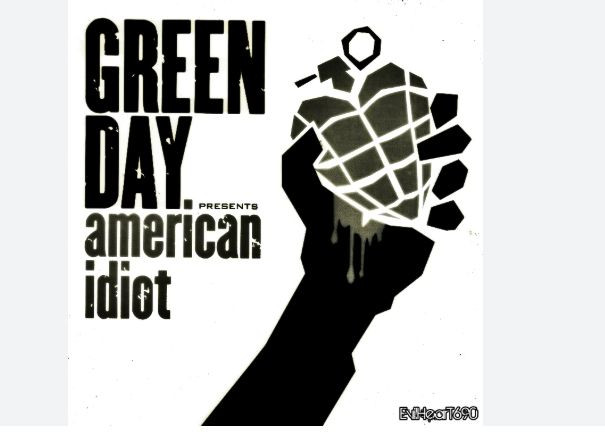
'A Punk Anthem That Shattered the Silence on American Disillusionment
In the early 2000s, when the world was reeling from 9/11, the Iraq War, and a media frenzy, Green Day dropped a bomb: their album *American Idiot*. The title track, a blistering punk rock anthem, became a cultural phenomenon, topping charts and sparking debates. But beyond the catchy riffs and Billie Joe Armstrong's raw vocals, the lyrics are a scathing indictment of American society. This article dives deep into the song's words, exploring their themes of alienation, media manipulation, and youthful rebellion. Written in 2004, "American Idiot" remains eerily relevant, capturing the angst of a generation fed up with hypocrisy and consumerism.
The Opening Volley: "Don't Wanna Be an American Idiot"
The song kicks off with a defiant chorus: "Don't wanna be an American idiot / Don't want a nation under the new media." Here, Armstrong rails against the dumbing down of America through sensationalist news and pop culture. The "new media" refers to the 24-hour cable news cycle and reality TV that exploded post-9/11, turning complex issues into soundbites. The term "American idiot" isn't just a jab at the masses—it's a mirror held up to society, questioning how patriotism morphed into blind obedience. Armstrong, drawing from his own frustrations, paints a picture of a populace numbed by distractions, where critical thinking is sacrificed for entertainment.
Verse 1: The Suburban Nightmare and the "Jesus of Suburbia"
The first verse introduces "Jesus of Suburbia," a character symbolizing the disillusioned youth. Lines like "Born into Nixon's time, raised in Reagan's era" ground the song in American history, linking personal struggles to political failures. Nixon's Watergate scandal and Reagan's trickle-down economics are invoked as backdrops for a generation raised on broken promises. The protagonist is "a small town boy" who "gotta burn his bridges," representing the urge to escape conformity. This verse critiques suburban complacency, where dreams are crushed by economic inequality and cultural stagnation. Armstrong's lyrics evoke the punk ethos of rebellion, urging listeners to reject the status quo.
The Bridge: A Cry Against Media and Militarism
The bridge escalates the critique: "Well maybe I'm the faggot America / I'm not a part of a redneck agenda." These lines are provocative, using "faggot" as a stand-in for any outsider marginalized by conservative values. It's a bold statement on homophobia, racism, and the "redneck agenda" of right-wing politics that dominated the Bush era. Armstrong challenges the media's role in perpetuating division, with "new media" as a tool for propaganda. The militaristic undertones—"bombs away is your punishment"—allude to the Iraq War, questioning the justification for violence abroad while ignoring domestic issues.
Verse 2: The Descent into Addiction and Despair
Verse 2 shifts to personal turmoil: "Sometimes I give myself the creeps / Sometimes my mind plays tricks on me." This introspective turn reveals the song's emotional core, exploring mental health struggles amid societal chaos. The "faggot America" refrain returns, emphasizing isolation. Lines like "It can't happen here" echo denial in the face of rising fascism or authoritarianism. Armstrong touches on drug addiction—"So pour me another drink"—as a coping mechanism for the overwhelming disillusionment. It's a raw admission that even rebels can fall prey to the very system they despise.
The Chorus Redux: A Call to Arms
Repeating the chorus reinforces the anti-idiot mantra, but with added layers. "Don't wanna be an American idiot / Don't want a nation controlled by the media" evolves into a rallying cry. The song's structure mirrors a punk rock sermon, building from personal angst to collective outrage. Armstrong's delivery—screamed with urgency—amplifies the lyrics' power, making them feel like a manifesto.